2026 marks a poignant moment in football as the world mourns the loss of a true legend. Kevin Keegan amassed countless trophies, captained England, and transformed Newcastle United into Premier League title challengers. However, his most significant contribution to the sport transcends the pitch.
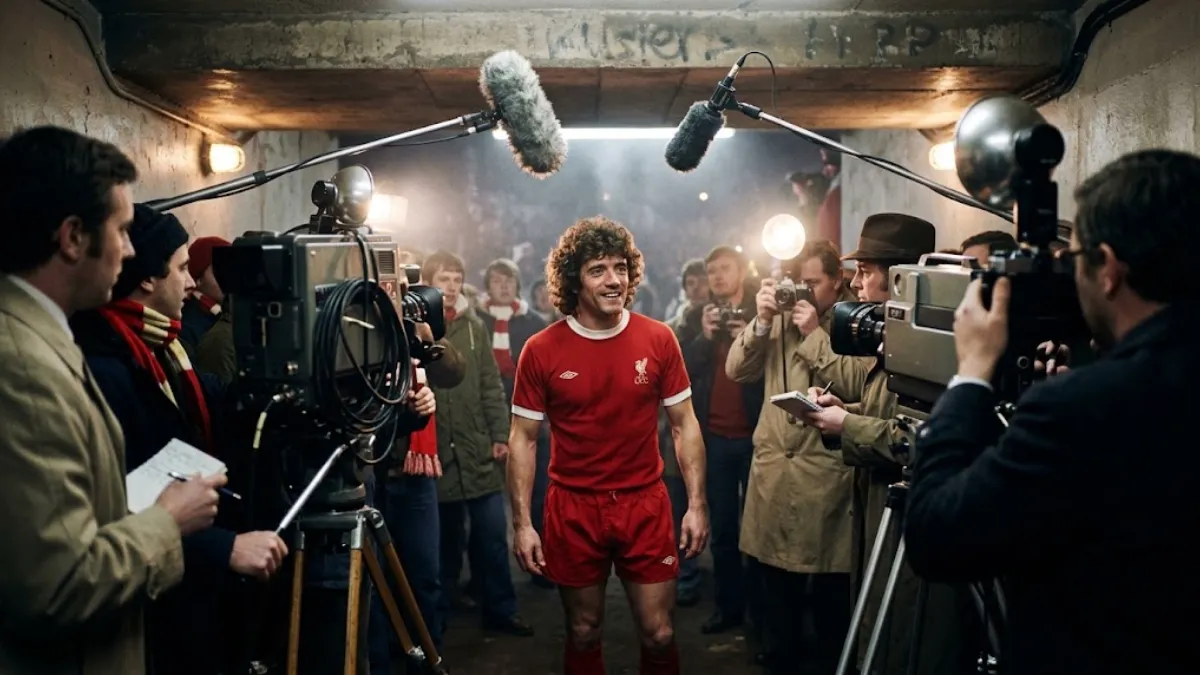
Keegan stood apart from his contemporaries, boasting a superstar status both on and off the field. Long before players became stripped-down brands, and media training drained sincerity from post-match interviews, the public persona of Keegan transcended stadiums. His life was continuously broadcast across television screens, newspaper headlines, glossy magazines, advertising campaigns, and even vinyl records.
This phenomenon stemmed from a rare quality in professional sports – absolute emotional openness. In front of the entire nation, he laughed, cried, sang, celebrated victories, acknowledged mistakes, and stood his ground with stubborn resolve. Keegan possessed a disarming honesty that sometimes bordered on excessive frankness and emotional instability. Long before the concept of 'authenticity' turned into a currency of modern celebrity culture, he lived unguardedly, eschewing the mask of hypocritical invulnerability. He became one of football's first – and perhaps last – true media romantics: vibrant, controversial, appealing, and ubiquitous.
Birth of a superstar: from Anfield to German pop charts
Born in Doncaster, earning the proud moniker King Kev back home and the affectionate Mighty Mouse from devoted Hamburg fans, Keegan won the Ballon d'Or twice. Over his club career, he played 592 matches, scoring 204 goals, alongside a record of 21 goals in 63 appearances for the England national team. Later, he went on to manage three notable English clubs – Fulham, Manchester City, and his beloved Newcastle – and took on the challenging, emotionally draining role of national team coach, dedicating himself with trademark passion and naive straightforwardness.
During the 1970s, Keegan's fame skyrocketed. Liverpool’s triumphs were covered weekly on BBC’s Match of the Day, while British tabloids revelled in news surrounding him. Transfer rumours, injury bulletins, captaincy debates, and even reports on his iconic curly perm guaranteed record sales for publishers.
In 1976, Keegan became the face of a governmental educational campaign, Green Cross Code, teaching children safe road-crossing techniques, evolving into a symbol of reliability for the younger generation. Shortly after, the footballer featured in an advertisement for Brut aftershave, effortlessly embodying style, sex appeal, and role model material. Alongside this, he participated in the television sporting show Superstars, where elite athletes competed in unusual disciplines. After crashing during a cycling race, Kev bravely remounted to finish second, only to win the obstacle race and secure overall victory.
1977 saw Keegan move to Hamburg for a record £500,000, solidifying his global reputation amidst significant attention from West German media. His regular appearances on the popular ITV show This Is Your Life, visits to the BBC children’s show Blue Peter, and key features in the youthful magazine MATCH crafted the image of an open, family-friendly screen hero.
The apex of the 'Keegan brand' came with his venture into the music industry. In 1979, the footballer released his debut single, Head Over Heels in Love, co-written with Chris Norman of the iconic band Smokie. The record soared to number 31 in the UK and reached number 10 in Germany's charts. While critics greeted the track with caution, it was significantly more successful than his subsequent release, England, from 1980. That same year, the ITV documentary Brian Moore Meets Kevin Keegan opened with a bold statement: 'This is not a film about football.' The film offered viewers a candid account of Keegan’s highs and lows in Germany and with the national squad.
Reviving Newcastle and going off-script live
Retiring his boots – first with Newcastle in 1984, and then definitively in 1985 after a brief farewell stint at Australian club Blacktown City – Keegan remained in the spotlight. He went on to host reports, act as a television pundit, released a self-titled documentary on VHS in 1992, and secretly prepared for a return to the grand stage.
In 1992, he took on the beleaguered Newcastle's management. Underperforming and desperately clinging to life in the Second Division, they found themselves 22nd out of 24 teams, having won only once in their previous eleven encounters. Lacking managerial experience and amidst rumors about financial issues, Keegan, with support from Sir John Hall and the Magpie Group, performed a miracle, saving the club from relegation and later triumphantly guiding them into the newly formed Premier League.
The Premier League era, alongside a financial boom and the broadcasting power of Sky Sports, turned the charisma of this manager into a perfect reality show. The climax arrived in April 1996, delivering the world the legendary ‘I would love it’ interview amidst a fierce title battle against Sir Alex Ferguson's Manchester United.
Emotions overwhelmed the manager before the camera: his composure cracked, the team buckled under the championship pressure, and the emotional explosion became a hallmark of his career, affecting his subsequent tenure as England manager. Keegan's feelings and instincts consistently outweighed calculated pragmatism. However, he possessed a self-deprecating humour – exemplified by the iconic Sugar Puffs cereal advertisement from 1996, where he sent a fluffy talisman, Honey Monster, on in added time to head the winning goal.
The legacy of the media romantic
To reduce Keegan's legacy merely to a botched interview would be a profound injustice. In an archived conversation with BBC journalists, he ironically noted that despite his significant sporting victories and widespread acclaim, he often remains remembered as the guy with the curly perm who fell off a bike and exploded on camera. Such a balance of memory, Keegan philosophically referred to as an important life lesson for any public figure.
Essentially, Keegan embodied the idea of 'media convergence' long before Professor Henry Jenkins articulated this theory in his renowned work, Convergence Culture: Where Old and New Media Collide (2006). The image of Mighty Mouse gathered around him the leading media nodes of the era, allowing a multifaceted personality to express a full spectrum of emotions – from euphoria to profound sorrow.
Throughout his career, Keegan faced accusations of excessive commercialisation and over-sentimentality. However, as the decades passed, he maintained an unblemished reputation. The principal flaw in his sporting and personal life was an all-consuming, disarming love for the game. Farewell, King Kev: thanks to you, football once became more humane, deeper, and livelier; with your departure, the screens and stands have noticeably grown dimmer and colder.
