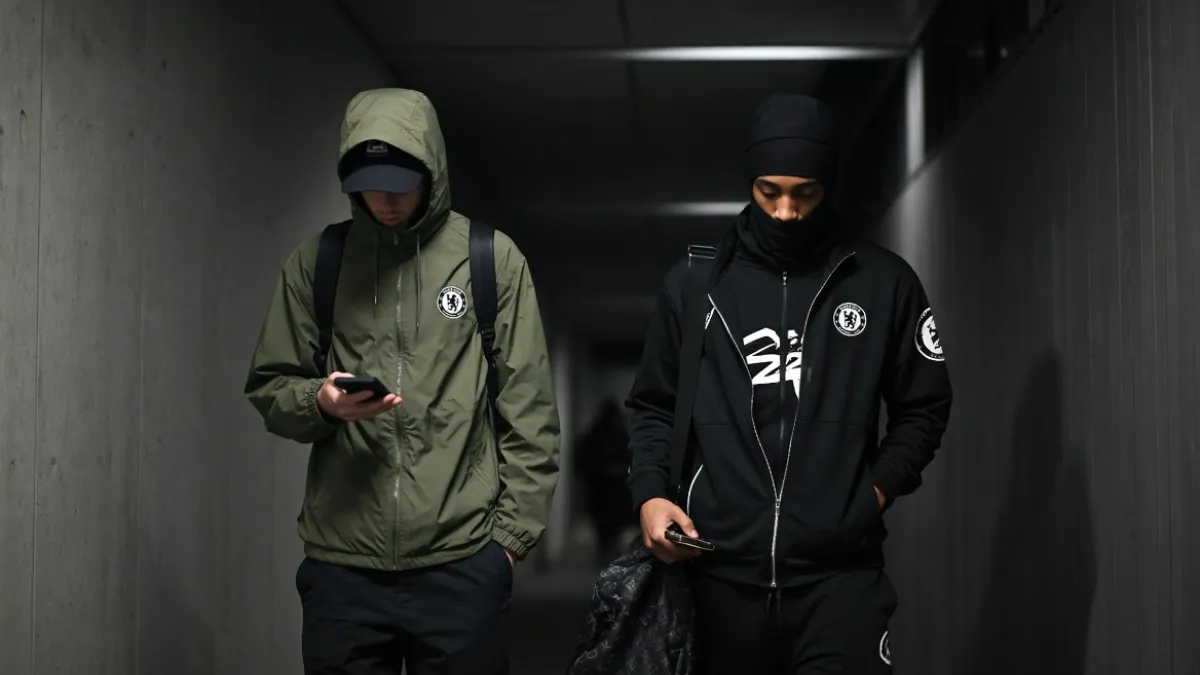
As the international break comes to an end, players are gradually returning to their clubs. However, Chelsea is in the midst of controversy: the return of Cole Palmer and Joao Pedro ahead of their Premier League clash against Bournemouth has sparked outrage on social media over their choice of attire.
The duo appeared on the club's social media sporting some controversial outfits. Palmer arrived in a skin-tight tracksuit with a hood obscuring his face, while the Brazilian opted for a black tracksuit and a balaclava.
Though this style has become popular on the streets of the UK, its cultural connotations are far from positive. Blues fans have inundated social media with sarcastic comments, accusing the players of setting a poor example for the youth:
- Some fans have labelled the players as "real gangsters".
- Others compared them to the so-called roadmen and the anti-social youth (chavs).
- Some supporters expressed nostalgia for the days when players donned classic suits.
What is roadman style and why is it controversial?
The roadman subculture emerged in the UK during the 2000s, largely influenced by the underground grime music scene created by descendants of African migrants. With themes of crime, violence, and weaponry prevalent in the genre, the term quickly became associated with a criminal lifestyle.
The appearance of those involved in this movement is all about concealing their identity from law enforcement: tracksuits, caps, hoods, small cross-body bags, gloves, and balaclavas are all staples. The primary audience consists of young people and teenagers who identify themselves with street gangs.
Authorities have been battling against this aesthetic since as early as 2002, and towards the end of the 2010s, the genre faded deeper into the underground due to its negative influence on youth culture. This is why the clothing choices of Palmer and Pedro have ignited such a widespread debate about the behaviour norms that footballers are teaching the next generation.