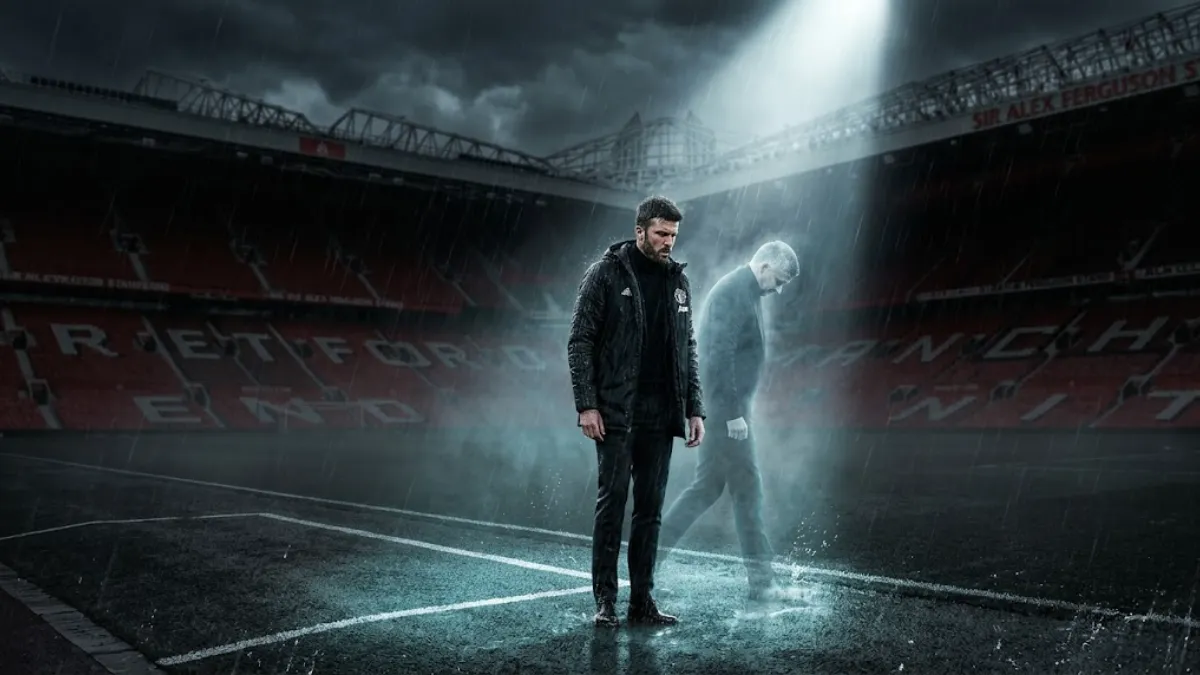
The return of Manchester United to the Champions League is not bringing joy to the fans, as the team struggles for stability, securing only one victory in their first five Premier League matches. A draw against Fulham (1-1) marked a record low for manager Michael Carrick. The Red Devils have only earned five points out of a possible fifteen, their worst start since the 2014/15 season.
This crisis has highlighted a painful trend for the club's hierarchy: as soon as an interim manager is awarded a full-time contract, the results tend to nosedive.
It began with Ole Gunnar Solskjaer. The legendary forward came to the rescue in December 2018, replacing Jose Mourinho. The effect was staggering: only three defeats and two draws in his first 18 matches. The hierarchy was quick to secure a permanent deal with the Norwegian in March 2019, after which the former winning momentum fizzled out.
Years later, history has repeated itself with Carrick. Following a controversial split with Ruben Amorim due to tactical disagreements, the team was temporarily managed by Darren Fletcher for two matches before Carrick took the reins on January 13. The Englishman swiftly guided United back into the Champions League zone, a place they had been absent from since 2023. Having fostered a positive atmosphere in the dressing room, Carrick convinced the owners and was awarded a full contract until 2028 in May.
However, following this, the team's performance plummeted. In 16 matches as interim boss, Carrick averaged 2.25 points per game, but in eight matches as permanent manager, that average nosedived to 1.38. The club set new historical lows and exited the League Cup after a 3-2 defeat to Brighton, despite leading 2-0 at one point.
The reasons for this paradox are evident: for an interim manager, working during a crisis is an opportunity to make a name for themselves and secure a long-term deal. In that status, they are not burdened with the weight of a full rebuild or the establishment of a grand philosophy—their job is simply to give the team an emotional shake-up and achieve stability. However, once the long-awaited contract is in hand, that temporary magic at Old Trafford invariably dissolves.