In May 2020, shocking footage of the murder of unarmed black man George Floyd by a US police officer went viral, igniting a powerful international movement known as Black Lives Matter. Millions took to the streets, protesting against systemic racism and police brutality.
From a remark uttered on FOX News—"Shut up and dribble"—aimed at NBA star LeBron James for speaking out on social injustice, came a phrase that encapsulated a broader sentiment. This phrase quickly morphed into a universal label used by conservatives to silence any athlete willing to take a stand.
In the UK, a wave of protests revealed deep-seated issues within football. Players, coaches, and fans from minority ethnic backgrounds began sharing their stories of discrimination within stadiums and the inaction of football authorities. With the nation emerging from grueling COVID-19 lockdowns and feeling more divided than ever, the return of football and the postponed Euro 2020 felt like a breath of fresh air that could potentially unite the country.
The Premier League launched a significant campaign, "No Room for Racism," and players began taking a knee before kick-off, demonstrating solidarity and their fight for equality. England's men’s team pledged to maintain this ritual throughout the Euro tournament.
However, not everyone was supportive. A substantial portion of English fans reacted negatively, insisting on keeping politics out of football. Booing and jeering directed at their own players as they kneeled vividly illustrated how entrenched prejudice remains in society.
The climax of this drama unfolded at Wembley Stadium after England lost to Italy in the final via penalties. Black players Bukayo Saka, Marcus Rashford, and Jadon Sancho, who missed their spot-kicks, were met with a barrage of vile racist abuse and threats across social media. What began as a summer of hope and triumph for a team unafraid to voice critical issues was abruptly overshadowed by the harsh realities of British society.
Hypocrisy of officials and Tyrone Mings' response
Throughout Euro 2020, debates surrounding the solidarity gesture spilled into Parliament. During a broadcast on GB News, then Home Secretary Priti Patel dismissively referred to the kneeling as "political posturing," stating fans had every right to boo the team in the stands. The England camp chose to focus solely on the sports aspect, holding back their emotions.
But following the tragic events of the final, the flames of controversy ignited once more: leaked messages from a closed WhatsApp chat revealed a senior official cynically advising Marcus Rashford to spend "more time training and less playing politics."
This sparked widespread outrage. Influential pundits and commentators asserted that the rhetoric of politicians was emboldening radicals. Former England defender Gary Neville was particularly scathing, criticizing Patel and Prime Minister Boris Johnson for enabling the toxic environment present in the country.
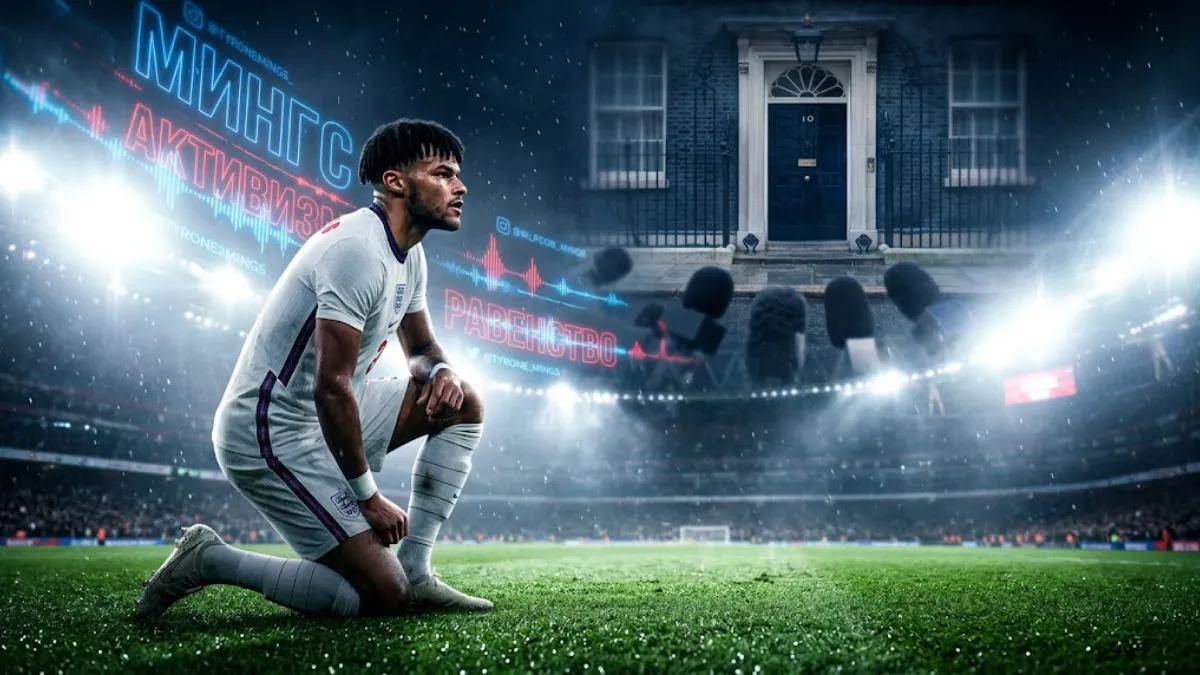
In keeping with the longstanding tradition where successful England teams are invited to 10 Downing Street for a personal commendation from the Prime Minister, the England squad in 2021 made a historic decision to boycott the official reception owing to offensive comments from members of Johnson's cabinet.
In a bid to salvage her reputation amidst the fallout, Patel took to social media to label the trolling of players as "disgraceful" and promised that the police would hold those responsible to account.
This was the tipping point for the players. Aston Villa and England defender Tyrone Mings, who had suffered racist abuse himself during a qualifier against Bulgaria in 2019, publicly took a stand against Patel, accusing her of fanning the flames of hatred early in the tournament and dubbing her sudden outrage hypocrisy.
Mings' response resonated deeply within the global football community; pundits, fans, and fellow players applauded his courage. This moment became a pivotal point, demonstrating that players could confront politicians without fear of jeopardizing their careers.
The legacy of dissent and the looming challenges of 2026
Today, the football landscape has shifted: players are no longer expected to be silent gladiators. Real Madrid star Vinicius Junior is leading a fight against racism at Spanish stadiums, while Wilfried Zaha openly discusses prejudice within English academies, and club hierarchies are rallying behind their players instead of trying to sweep scandals under the rug.
However, as the 2026 World Cup approaches in North America, even sharper challenges loom for the sporting world. Human rights advocates and fan organisations express alarm over risks faced by Latino fans attending matches in the US. Federal immigration enforcement is reportedly conducting aggressive street arrests based on appearance, detaining individuals for weeks without charges.
This backdrop has prompted urgent calls for top football stars to publicly denounce these heavy-handed tactics, for only the voices of global icons can ensure the safety of tournament attendees.
The great theologian Dietrich Bonhoeffer once remarked:
The true test of a society's morality is what it does when it is afraid.
It's easy to express solidarity when there's nothing at stake. But if players are ready to challenge authorities in comfortable conditions, they must also be prepared to raise the stakes in times of crisis, even risking boycotts or exclusion from tournaments.
Of course, in a world where football stars are turned into spokespeople for authoritarian regimes, and FIFA bestows "peace awards" on dubious leaders, it is naive to expect athletes to embark on a crusade against corrupt state machinery. Yet, the examples set by Tyrone Mings and Marcus Rashford have shown that when idols of millions stop just "dribbling the ball," they become a formidable force for change in society.
