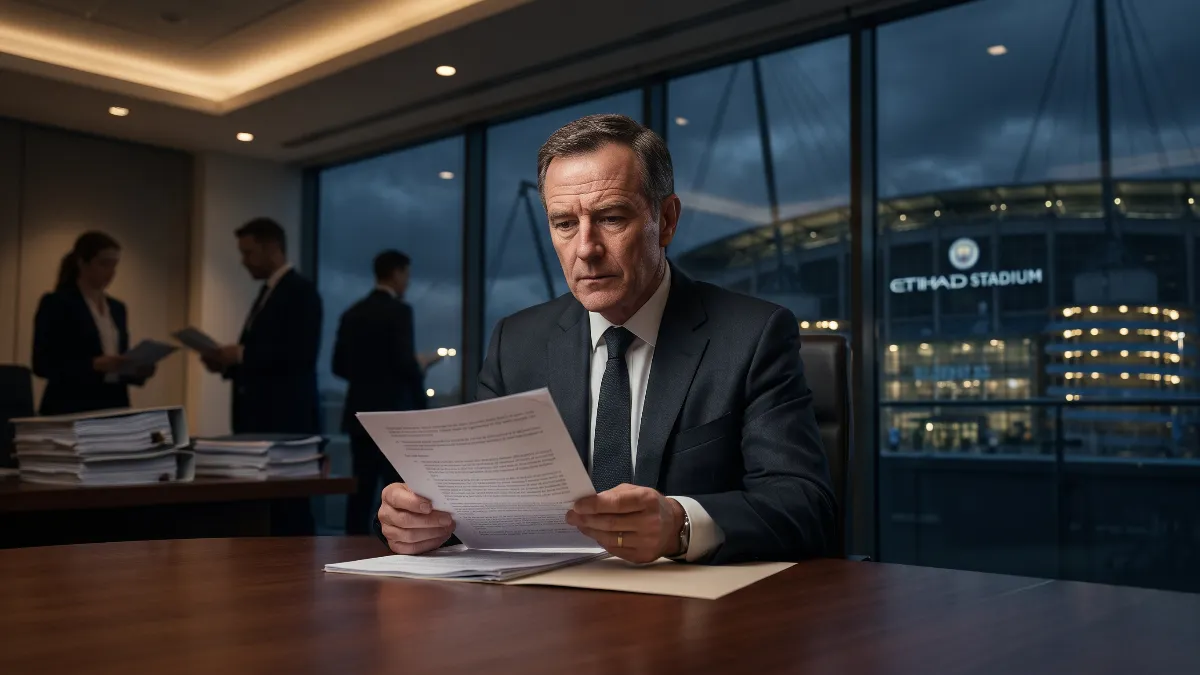
Leading sports lawyer James Severn has analysed Manchester City's prospects for a successful appeal against the verdict regarding 114 financial violations committed between 2009 and 2018. The team, led by Enzo Maresca, continues to assert its innocence and has lodged an official appeal, but should it be rejected, the club could face severe sanctions ranging from hefty fines to the stripping of Premier League titles.
According to Severn, the club's hierarchy faces "substantial hurdles" in achieving a successful appeal. To win the case, Manchester City must identify a significant error in law, principles, or facts, or demonstrate a serious procedural irregularity that materially affected the decision of the independent commission. The lawyer highlighted the broad powers of the Appeal Board: it can uphold or reject the appeal, alter the decision, or issue any other ruling it deems appropriate.
Assessing the evidential basis of the club's defence, Severn remarked on the team's reliance on governmental documents:
- Bank statements, government records, and payment documents could serve as powerful evidence if they build a clear audit trail proving that the disputed funds originated from the Abu Dhabi government rather than the club's owners.
- However, if this evidence has already been presented to the commission, which dismissed such arrangements as fictitious, the club faces a monumental task in disproving the validity of these conclusions.
A potential lifeline for Manchester City lies in demonstrating factual error. The club could succeed if it can show that the commission fundamentally misinterpreted emails, failed to consider their proper context, or drew conclusions that contradict other documents from that time.
The main challenge lies in the fact that the independent commission has already heard extensive witness testimonies and examined documentary evidence based on which it made serious conclusions regarding the existence of fictitious agreements and concealed financing from the owners.