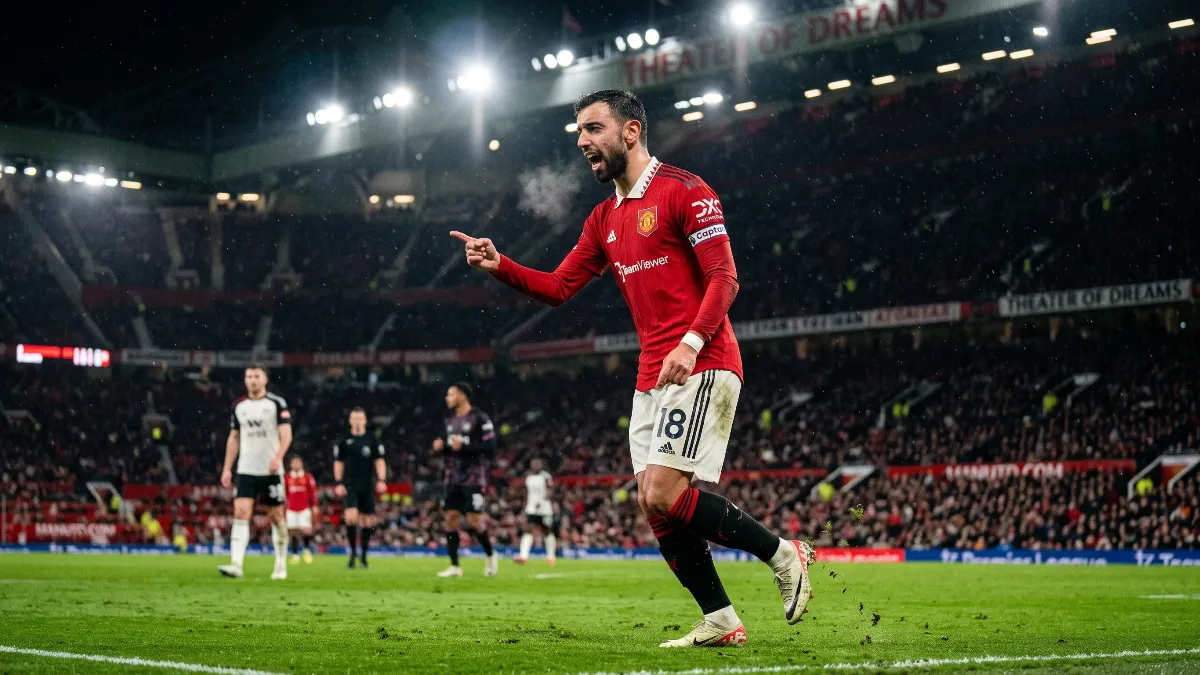
Negotiations between Manchester United and Bruno Fernandes over a new deal have entered a critical phase, but the process is stalling due to a key strategic disagreement. The parties are discussing an unexpected clause in the contract aimed at protecting the club from significant financial risks in the future.
The Portuguese midfielder and captain remains a key figure at Old Trafford and is one of the highest-paid players in the squad, second only to Marcus Rashford, who returned this summer. Formally, the 33-year-old playmaker has less than a year left on his current deal, but the club retains a unilateral option to extend it until 2028, allowing them to keep the leader until he is 35 without signing new papers.
However, the powers that be at the club are willing to offer the Portuguese long-term guarantees. According to TEAMtalk, a deal until 2029 is on the table with an option to extend for another season. The main point of contention remains the duration of the club's unconditional financial commitments: while the hierarchy is unwavering in their desire to keep Fernandes, they are seriously weighing up how long their aging leader can maintain elite physical and playing form.
To find a compromise, a special clause for automatic extension based on the number of matches played has emerged in negotiations. The length of the contract will only increase if Bruno retains a stable place in the starting lineup and exceeds a set threshold of playing time. The top brass at United have been influenced by Liverpool's difficult experience with Mohamed Salah, whose sharp decline in form after signing a record contract served as a cautionary tale for European football.
At United, they categorically deny rumours of a potential parting with their captain or that Rashford's salary is impacting negotiations. The hierarchy is keen to reward their team leader for his loyalty to the club, but they do not want to tie themselves to unsustainable financial obligations should there be an inevitable drop-off in the later stages of the Portuguese's career.