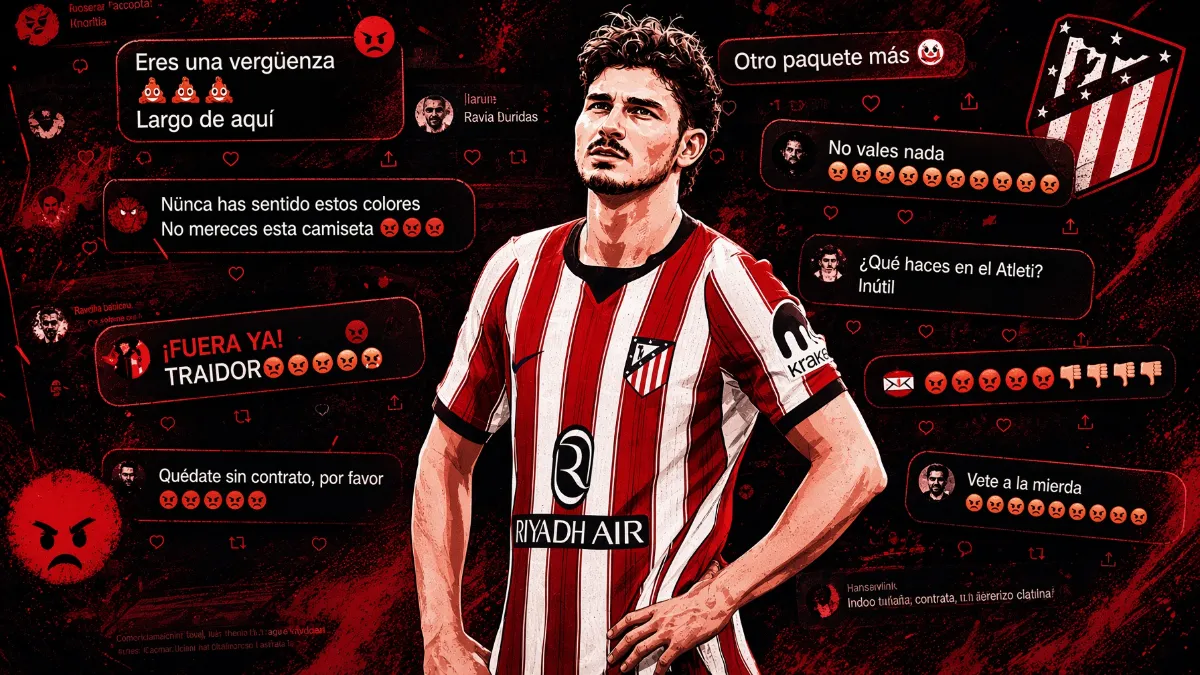
In today's digital age, football has transcended the traditional 90-minute match played twice a week. Short clips on Instagram, video diaries on YouTube, live streams on platforms like Twitch, and endless TikTok edits create a solid illusion of personal connection with heroes. However, this emotional bond often remains one-sided, giving rise to 'parasocial fans' — individuals who develop unhealthy attachments to athletes they have never met.
The psychology of parasocial relationships
The term 'parasocial relationships' was first introduced by sociologists Donald Horton and Richard Wohl in 1956 to describe viewers' feelings of closeness with on-screen stars. Researchers David Giles and John Maltby identified three levels of such connections:
- Entertainment-social — a healthy interest: discussing matches with friends, buying club merchandise, and delighting in victories without the illusion of personal acquaintance;
- Intense-personal — viewing the athlete as a soulmate, where a poor performance or transfer of the idol feels like personal tragedy and betrayal;
- Borderline-pathological — losing touch with reality: convinced of mutual feelings, intruding into personal lives, stalking, cyberbullying, and threats to the player's family.
Turning into pop idols and financial selfishness
Footballers are now perceived as pop stars on the scale of Taylor Swift or members of BTS. Clubs and commercial brands are capitalising on fan loyalty, but this comes at the cost of subjecting every player’s action to public scrutiny.
The explosive growth of fantasy leagues and betting on individual performances has escalated aggression. A poor match is no longer seen as simply a sports mishap, but as a deliberate financial loss inflicted on fans. This was evident when Chelsea's Mykhailo Mudryk emotionally responded to a critic on Instagram, suggesting a one-on-one showdown for £10,000. Such interactions only fuel the audience's illusion of direct access to the player.
Transfer sagas generate genuine paranoia; tracking private flights on Flightradar24 has become commonplace, and the desire to change clubs, as seen with Julian Alvarez, often triggers a torrent of hatred and even shirt-burning.
Fan fiction, shipping, and the attack on personal life
The culture of 'shipping' — fantasies about ideal romantic or platonic relationships between teammates — has permeated the football community. Thousands of RPF (Real Person Fiction) stories on platforms like AO3 and Wattpad depict imagined dialogues and scenes between athletes, from Erling Haaland and Jude Bellingham to Pedri and Ferran Torres, as well as stars from F1 and tennis.
This leads to a complete denial of athletes' right to privacy, with real-life partners compared unfavourably to fictional representations.
Misogyny and harassment of footballers' partners
The primary target of fan aggression tends to be the players' partners:
- Sasha Attwood (Jack Grealish's girlfriend) received up to 200 death threats daily on social media during Euro 2020, primarily from 13-14-year-old users;
- Lauren Fryer (Declan Rice's partner) faced severe body shaming and bullying from stadium spectators, leading her to delete her Instagram profile;
- Vlada Sedan (wife of Alexander Zinchenko) encountered harassment following tactical critiques of Manchester City, forcing the player to publicly defend himself on the day of their wedding;
- Vinicius Junior's girlfriend is regularly subjected to attacks from fans blaming her and her child for the Brazilian's dip in form.
Psychologists explain this as a 'displacement of blame', where fans direct aggression towards the loved ones of their idols as a way of avoiding confrontations with the players themselves.
Vulnerability beneath million-pound contracts
High salaries do not ensure psychological resilience. A poignant example is Dele Alli, who disclosed in an interview with Gary Neville on The Overlap about his struggles with childhood trauma, depression, and reliance on sleeping pills. While Jose Mourinho’s public comments about Alli's 'laziness' morphed into memes, the player was actually grappling with a severe psychological crisis.
Social media algorithms, news aggregators, and club media continue to capitalise on scandals and personal content for clicks, leaving athletes to face digital abuse alone.
