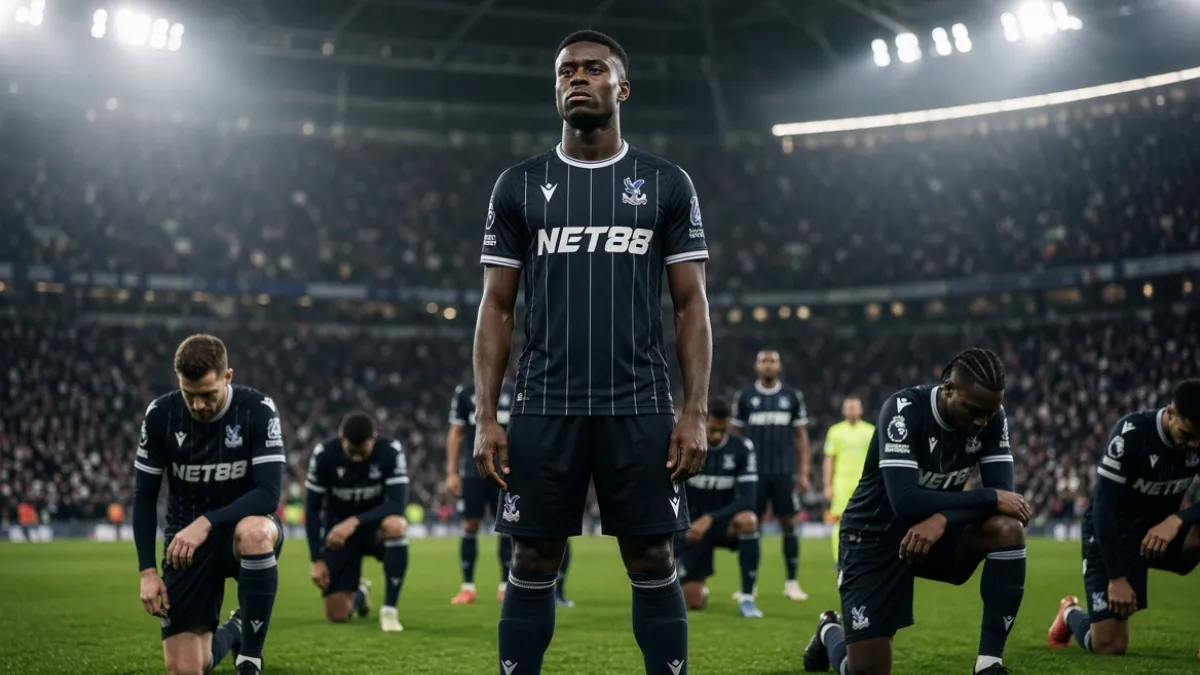
This past weekend, English Premier League clubs knelt for the first time this season as part of the October campaign for 'No Room for Racism'. However, six players from five clubs chose to remain standing:
- Tyler Adams (Bournemouth)
- Ryan (Bournemouth)
- Dominic Calvert-Lewin (Leeds)
- Marc Guehi (Manchester City)
- Ainsley Maitland-Niles (Everton)
Speaking ahead of a Champions League match, Manchester City defender Marc Guehi explained his decision. He stated that he has been choosing not to kneel for some time and instead shows support through applause.
'I don’t think this is just a football issue; it's a wider social problem, and football is simply a beacon of hope for getting the message across,' Guehi commented.
He believes the message remains important but argues for contemplation on how to progress the campaign further.
The Premier League hierarchy has reiterated that the choice to kneel is entirely up to the players, supporting any collective or individual option they choose.
Diverse views on respect
The practice of kneeling began in 2020, following the death of George Floyd and the protests of the Black Lives Matter movement. Before the start of the campaign, club captains agreed to carry this gesture forward in matches coinciding with Black History Month in the UK.
Opinions from players and coaches on this gesture vary widely. For instance, Leeds manager Daniel Farke explained Dominic Calvert-Lewin's stance:
Dom argues: 'No, I'm not kneeling. I show my respect by standing.' Each individual's interpretation of showing respect towards the campaign is unique.
As early as 2021, former Crystal Palace striker Wilfried Zaha became the first Premier League player to refuse this ritual, stating that kneeling had become a pre-match routine, while abuses towards players continued unabated.
Effectiveness and rising incidents
Kick It Out informed BBC Sport that the gesture continues to hold value in raising awareness, yet they understand players’ frustrations with the slow pace of change. Alarming statistics reveal that reports of discrimination and racism sent to the charity have more than doubled from the 2021/22 to 2025/26 seasons, hitting record numbers last season.
Similar sentiments have been seen in other tournaments. Last summer, the England women's team (the Lionesses) ceased the kneeling gesture after defender Jess Carter faced racist abuse online during the Euros. Manager Sarina Wiegman noted that the action wasn't enough and that real impact isn’t as significant.
Nonetheless, a YouGov survey conducted in 2025 showed that most fans from ethnic minority backgrounds in the UK still consider the kneeling practice vital in the fight against racism, while the overall opinion among English football fans reflected a contrasting viewpoint.