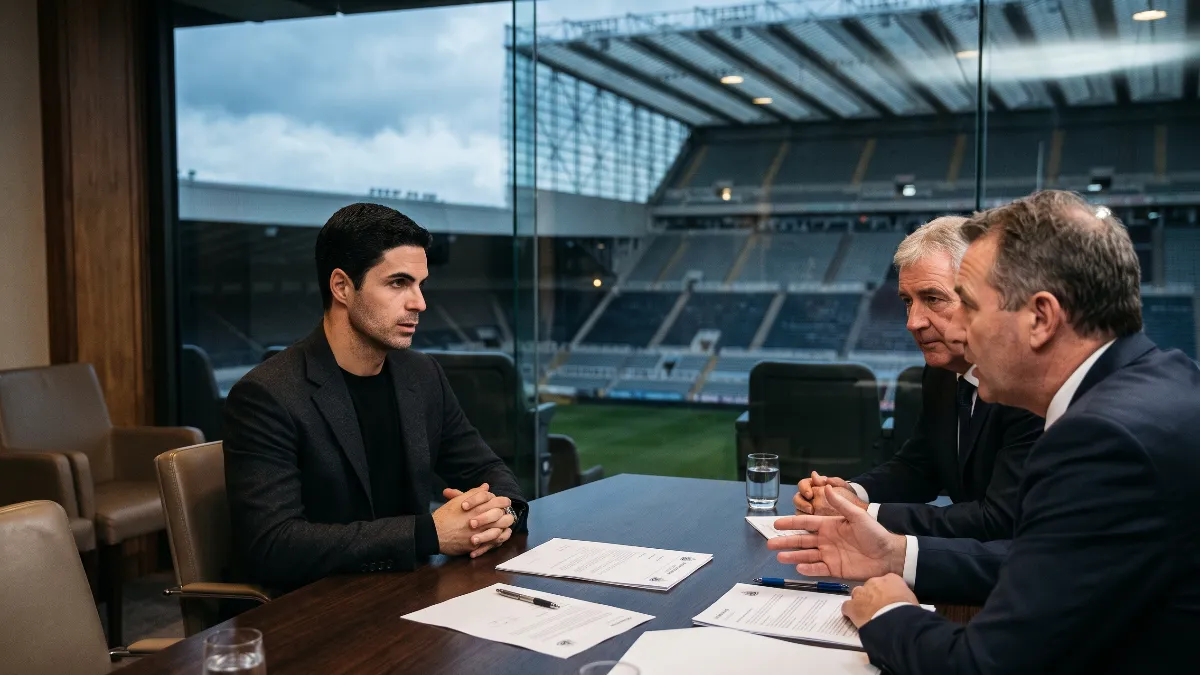
Mikel Arteta's appointment as Arsenal manager in December 2019 initially appeared to be a colossal gamble, which only paid off years later. However, it was sheer luck for the Gunners that the Spanish coach was available at a time when the club decided to shake things up. Just a few months prior, Arteta's career could have taken a completely different turn.
During the summer of 2019, Arteta was dangerously close to accepting an offer from Newcastle United. At that time, Mike Ashley was still firmly in control of the club—two years before the significant buyout from the Saudi Arabian Public Investment Fund. The owner was desperate to find a new manager and saw the perfect candidate in the young assistant to Pep Guardiola, who at that point had no managerial experience of his own. To entice the promising Spaniard, the club offered an unprecedentedly long contract, showcasing their complete faith in him.
This option did genuinely make Arteta ponder his future. While his ultimate dream was always Arsenal, there were no guarantees that Unai Emery would soon part ways with the Gunners after guiding them to a Europa League final. Newcastle United appeared to be a sensible first step in his managerial career. The club was comfortably ensconced in the Premier League's mid-table, with no threat of relegation, boasted a rich history, and had a passionate fan base, which had always played a crucial role for the Spaniard.
However, after weighing his options, Arteta eventually turned down Newcastle's approach. Although he never publicly divulged all the details behind his decision, it was driven by a clear assessment of risks. The toxic atmosphere at St James' Park was a significant hurdle. Fans were openly protesting against Ashley, and any new manager would be stepping into the shoes of the beloved Rafael Benitez. In such an environment, gaining the trust of supporters would be virtually impossible, and for Arteta, establishing an emotional connection with fans had always been fundamental to his approach.
The state of the squad was also a cause for concern. Key players Ayoze Perez and Salomon Rondon had just departed, having netted over half of the team's goals in the previous season, and there were no plans in place for adequate replacements. The final straw was the absence of a ready-made coaching staff; key allies of Arteta were tied to other commitments at the time. Later, upon joining Arsenal, he successfully brought with him a cohesive team of four trusted assistants, including Albert Stevenberg and goalkeeping coach Inaki Kanja, who continue to work alongside him.
Having weighed all these risks, Arteta displayed remarkable composure by staying on as Guardiola's assistant at Manchester City. This patience paid off handsomely: just months later, a crisis unfolded in London, and the Spaniard's cherished dream became a reality.
