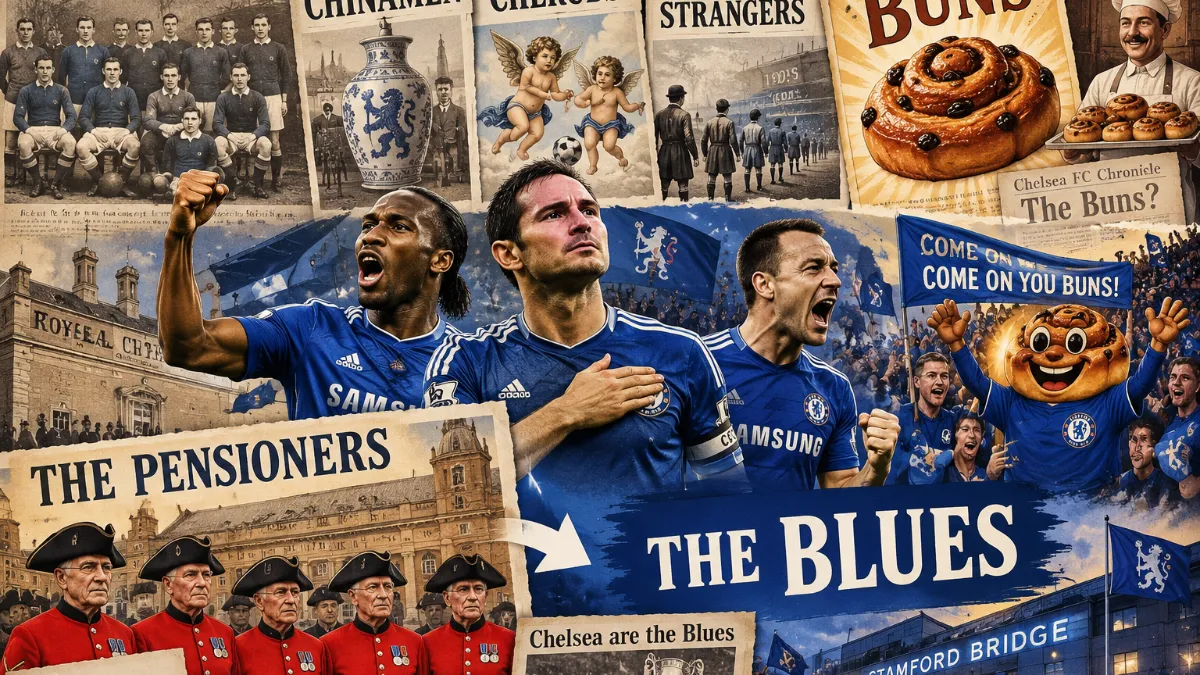
In 1905, Chelsea had yet to decide on a nickname for their players. Among the options were 'Chinamen', 'Cherubs', 'Little Strangers', and, notably, 'Buns'.
News about History
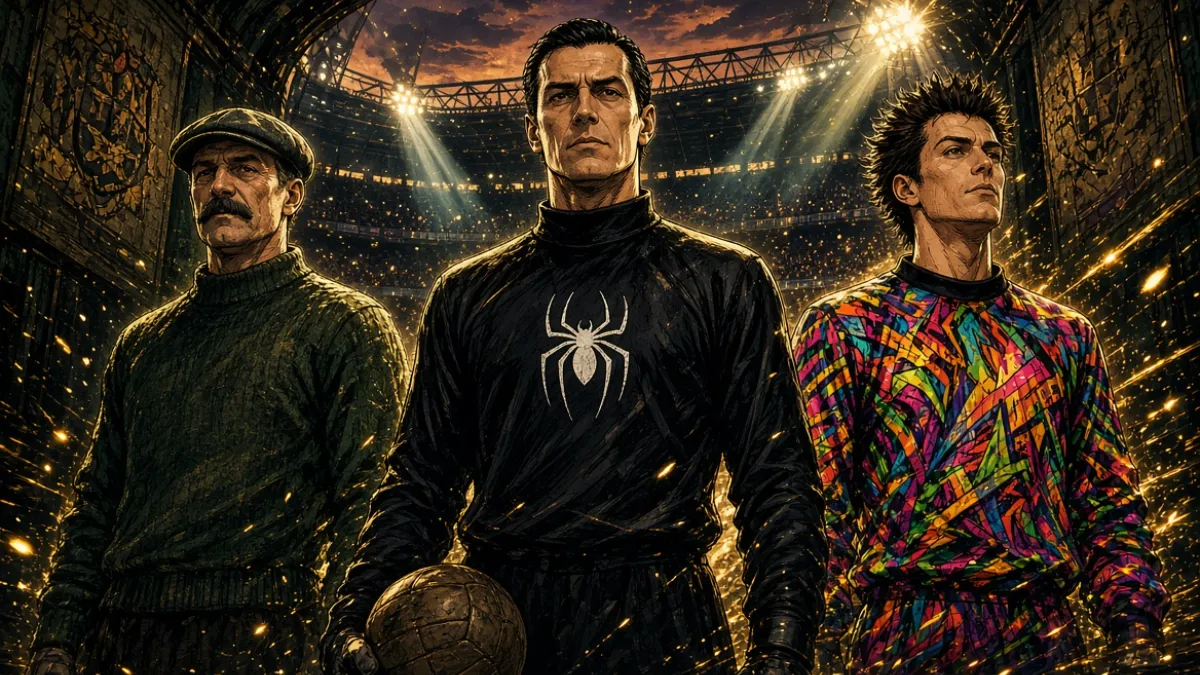
In modern football, one cannot imagine a match without a goalkeeper standing out on the pitch in their vibrant kit. While outfield players sport club colours, goalkeepers often opt for greens, yellows, oranges, pinks, or even eye-catching patterns. However, this hasn't always been the case.
In 1985, Ken Bates decided to tackle hooliganism at Stamford Bridge in the wildest way possible: he erected a 12-foot electric fence around the pitch.
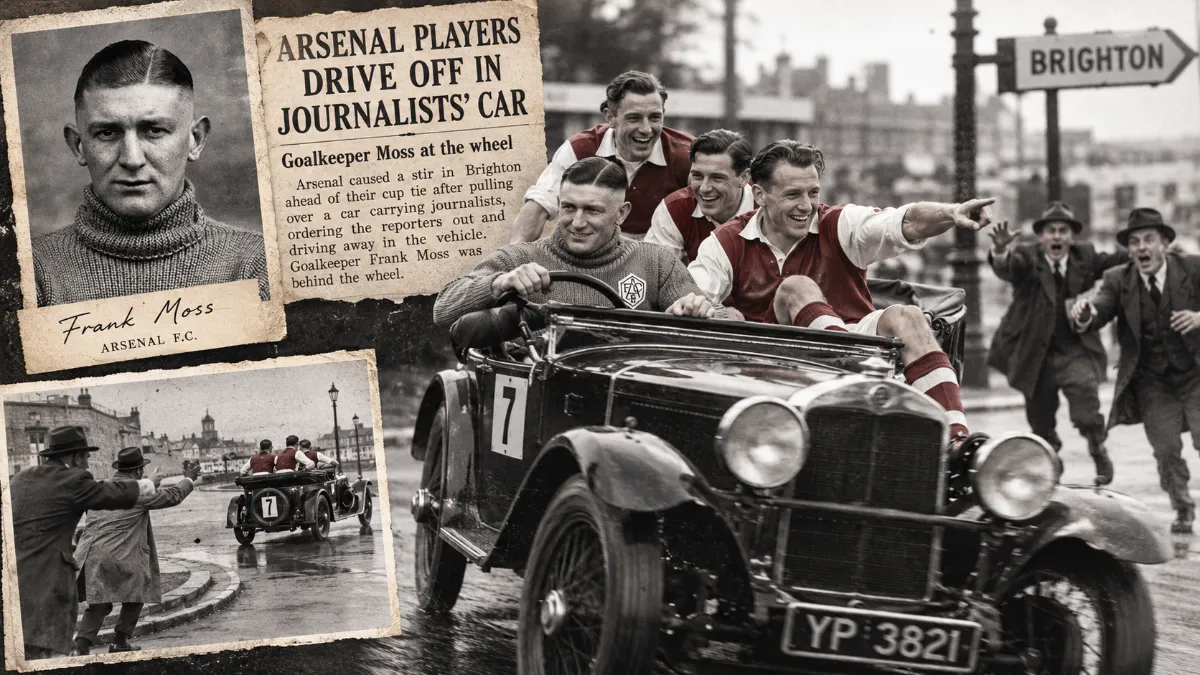
In a pre-cup match escapade, Arsenal players decided to have some fun at the expense of trailing journalists: they circled around, blocked their path, removed the reporters from their vehicle, and drove off in it. Keeper Frank Moss took the wheel.
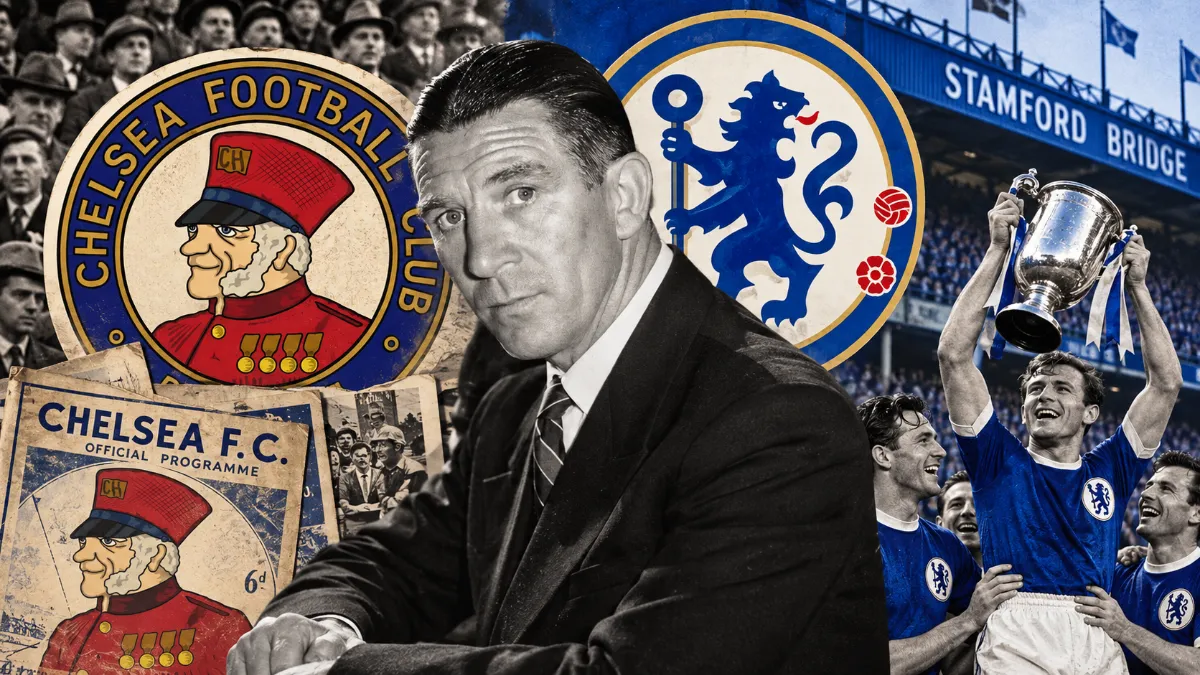
In 1952, Ted Drake joined Chelsea and promptly sent the old 'pensioner' into retirement. He changed the club's identity, nickname, and emblem, leading the team to its first championship three years later. Thus, the Chelsea we know today was born.
Each year as part of Birmingham's Heritage Week, the city aims to both celebrate and re-evaluate its multifaceted past. Two neighbouring sites to Aston Villa Football Club open their doors: the historic Aston Hall estate and the Aston Parish Church.
Once merely a sporting contest with a knockout format, the World Cup has evolved into one of the greatest chronicles of modern history. In his new book, Financial Times columnist Simon Cooper dissects the tournament, tracing its roots from the idealistic visions of World War I veterans to the geopolitical trades and moral challenges of the 21st century. In an interview with Stefano Di Pietro, the creative director of the Football Makes History project, Cooper explains how the game reflects colonial decline, the triumph of European social democracy, and the birth of a global cult.