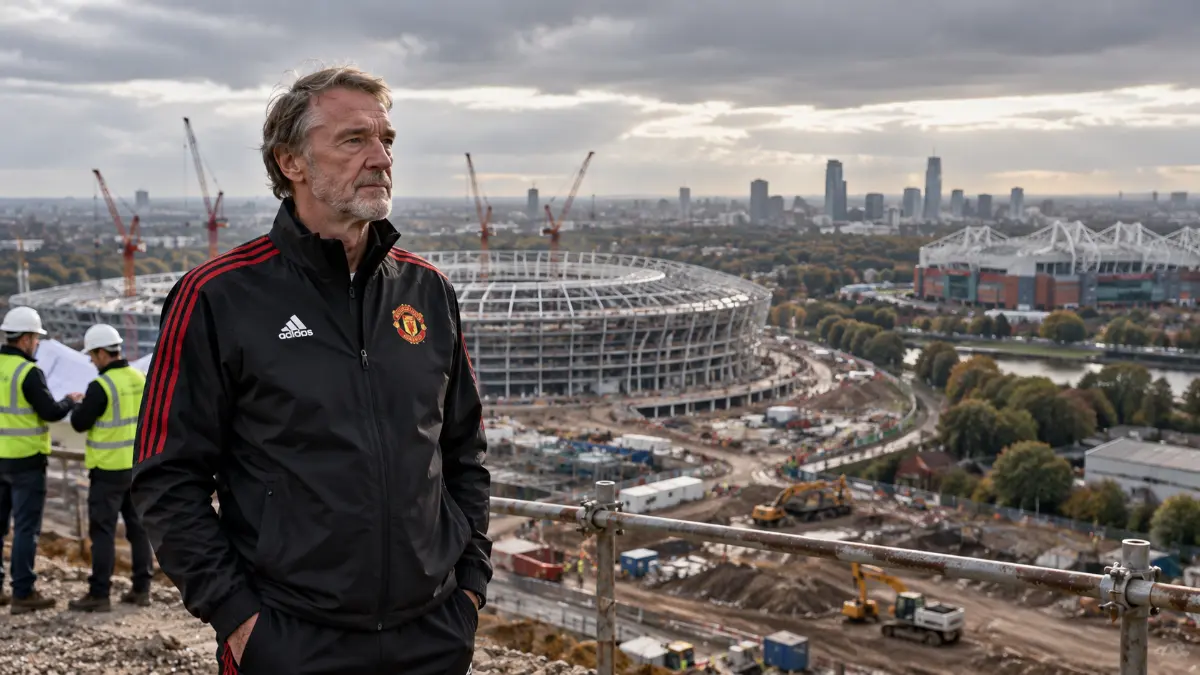
Manchester United are making strides towards the construction of their new stadium. As reported by Ben Jacobs, the club's latest financial statements reveal that they have already spent a staggering £63.5 million on land purchases.
Notably, United reported record revenues and operating profit despite a season devoid of European football.
Record revenue — £677.6 million
The club's financial figures show a remarkable revenue achievement of £677.6 million.
An operational profit of £22.6 million was also reported, showcasing the club's financial resilience during a year without participation in European tournaments.
This positive financial outcome is crucial for Manchester United as they continue to invest significantly in their infrastructure.
£63.5 million allocated for land
One of the primary expenses has been the acquisition of land for the future stadium.
Currently, the club has spent £63.5 million on land connected to the new stadium project.
Manchester United has previously communicated its plans to construct a new arena as part of a comprehensive infrastructure overhaul.
Club saves £8.5 million on Amorim
The financial reports also highlighted developments regarding Ruben Amorim.
According to Ben Jacobs, an initial payment of £16.5 million was contemplated for the Portuguese manager. However, with Amorim taking charge at AC Milan, United halted any obligations.
As a result, the club has saved approximately £8.5 million.
Debt remains above £1 billion
While record revenue and operational profit are positive indicators, they do not resolve all of the club's financial challenges.
Manchester United's total debt still exceeds £1 billion.
Thus, the club's financial situation remains complex: at once, United are showcasing record income, investing tens of millions into land for a new stadium, while also managing significant debt obligations.