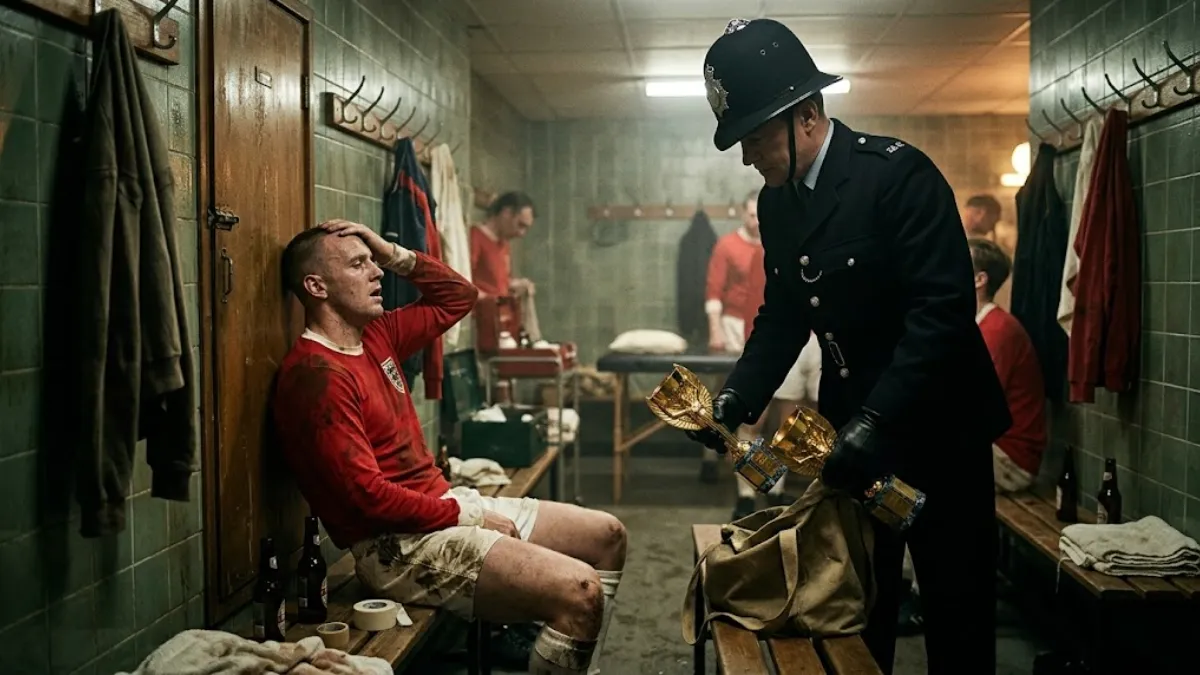
In the National Football Museum in Manchester lies a relic with an incredible story - the trophy from the 1966 World Cup. The home tournament became the pinnacle of glory for the birthplace of football, heralding an era in which England would not win a major international tournament again. The ‘Golden Goddess’ - the Jules Rimet Trophy (originally named ‘Victory’) - was destined to be embroiled in a series of thefts, illicit copies, and conspiratorial mysteries.

News about Jules Rimet
Once merely a sporting contest with a knockout format, the World Cup has evolved into one of the greatest chronicles of modern history. In his new book, Financial Times columnist Simon Cooper dissects the tournament, tracing its roots from the idealistic visions of World War I veterans to the geopolitical trades and moral challenges of the 21st century. In an interview with Stefano Di Pietro, the creative director of the Football Makes History project, Cooper explains how the game reflects colonial decline, the triumph of European social democracy, and the birth of a global cult.
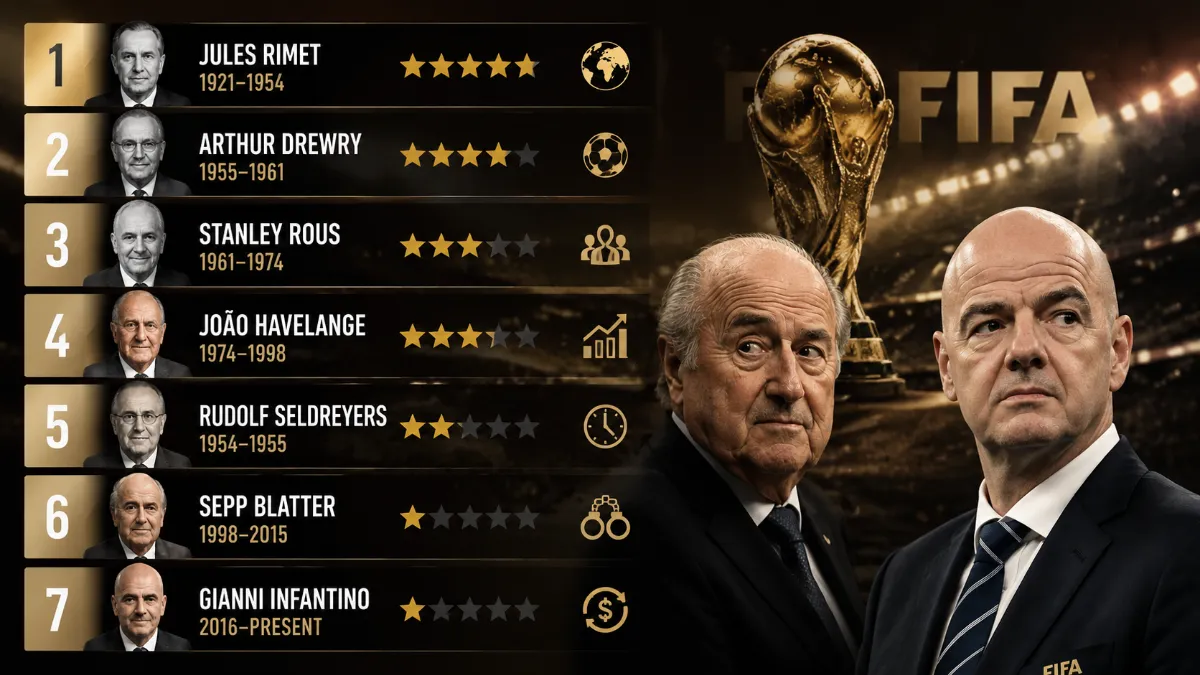
Assessing the effectiveness of Fifa's leadership is a complex topic that often leads to heated debates. However, a ranking of post-war presidents from best to worst provides an objective look at the organisation's development and challenges.