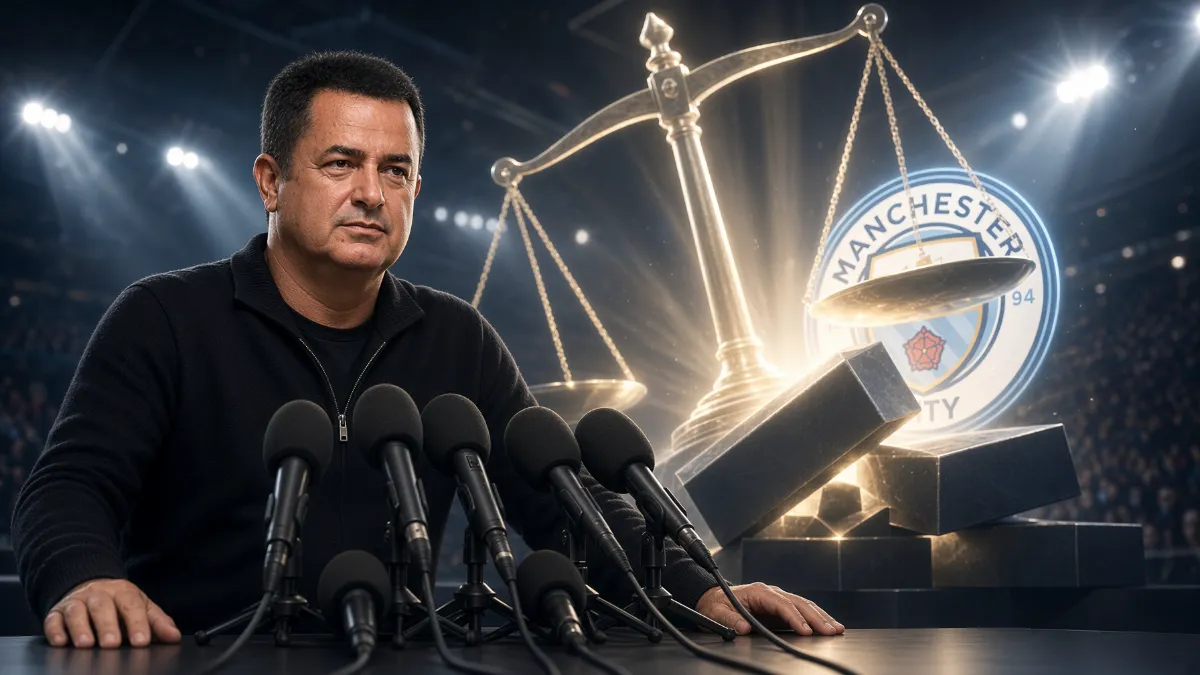
Hull City owner Acun Ilıcalı is adamant that Manchester City deserves a severe punishment should the club's financial violations be conclusively proven. He warned that anything less than strict sanctions could set a dangerous precedent for the rest of English football.
Reports have emerged stating that an independent commission found Manchester City guilty of 114 out of 115 charges related to breaching Premier League financial regulations. While the punishment is yet to be determined, City has vowed to appeal the decision, maintaining their stance of innocence.
Ilıcalı emphasised that he does not have access to all the case materials, hence he refrains from declaring whether he believes City is guilty or not:
I’m not saying whether they are guilty or not since they claim innocence while the Premier League sees it differently. But if violations did occur, to me it's not much different from doping and winning an Olympic gold.
Ultimately, it’s financial doping. You’re acquiring four to five top players for vast sums while breaking the rules. From that perspective, it doesn’t look good.
The Hull owner insists that if wrongdoing is confirmed, the consequences must be significant:
As a club owner, I probably shouldn’t comment too much as I don’t know all the details. But if there’s something unjust in football, it needs to be punished.
If the punishment is minor, other clubs will follow suit. For the future of football, if these things did really happen, there must be serious repercussions.
Ilıcalı also stressed the importance of adhering to financial regulations:
I like it when money in football is earned naturally. We will never have the budget of a top-six club or even the top ten in England, and we accept that.
But we shouldn’t artificially widen that gap. Such breaches can give certain clubs an enormous advantage, and that’s simply unfair.
Interestingly, Hull City themselves faced restrictions from the EFL in 2025 due to payment delays to other clubs, which led to limitations on transfer spending across three windows, although one of those restrictions was later lifted.