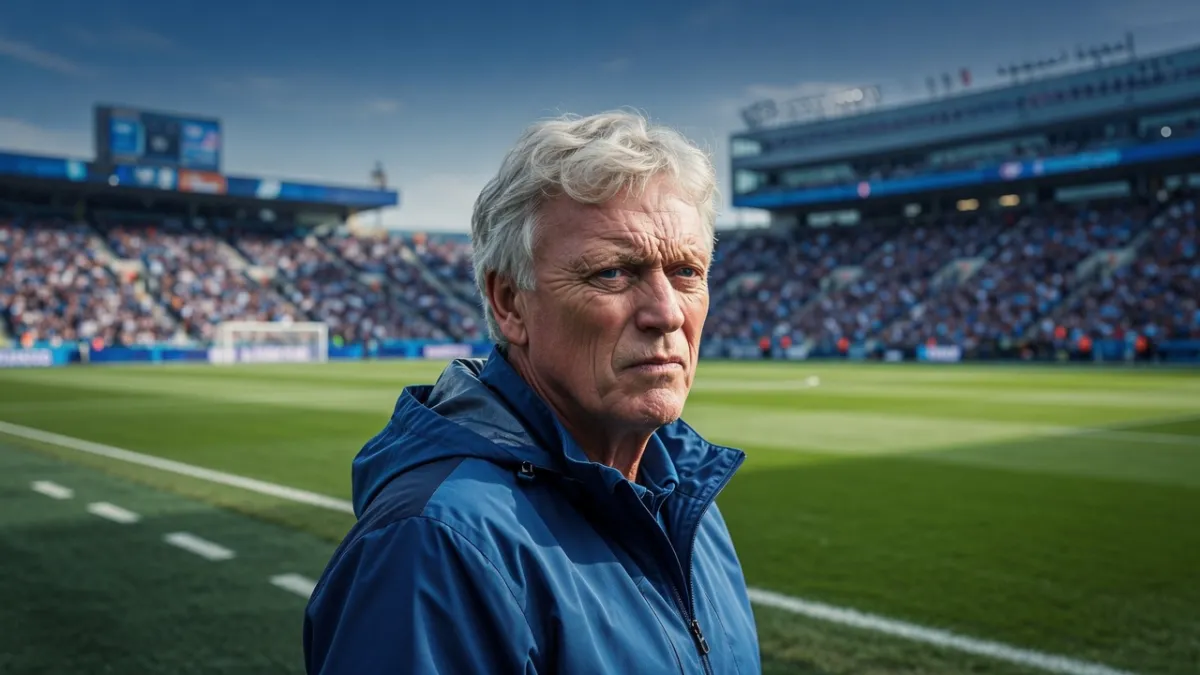
Journalist Andrei Dyumin from BritBall.Net analyses the current state of Everton ahead of the new season. The Scottish manager David Moyes's team is going through a difficult period of rebuilding after a contrasting end to the previous campaign.
For much of last season, Everton were involved in a battle for the upper half of the table. The loan of Jack Grealish brought immediate results, Kiernan Dewsbury-Hall consistently determined outcomes, and forwards Thierry Barry and Betu were in excellent form. A resounding 3-0 victory against Chelsea on March 21 lifted the Toffees to eighth place in the Premier League — just three points from the Champions League spots with seven games to go.
However, soon after, there was a sharp decline. Everton could not win any of their remaining matches of the season. Between April 11 and the end of the season, the Merseysiders found themselves among the league's bottom three alongside relegated Burnley and Wolverhampton.
Two different stories of a 13th place finish
Ultimately, Everton finished in 13th place — the same position as the previous year, but the perception of these results among fans and club officials is drastically different.
When David Moyes returned to the club a year and a half ago, the team was just one point above the relegation zone. Following the transfer window before the 2025/26 season, the club spent a record net £97 million under The Friedkin Group, yet they gained only one point more.
At the new Hill Dickinson Stadium, Everton displayed poor home form, averaging just 1.2 points per game — the worst record in Premier League history for teams opening a new ground. In contrast, in away matches, the Merseysiders were among the top seven.
Former Everton midfielder Leon Osman believes that amidst a period of financial irregularities and point deductions, stable mid-table finishes represent a step forward:
When David Moyes first returned, we started excellently and maintained that level for over a year. The finish of last season was the first decline. However, I believe we are progressing, and the club has gained the long-awaited stability.
Moyes is a demanding and intense coach. By the end of the season, the small squad simply ran out of energy. Changes take time, and the fact that no one is thinking about relegation already shows the work done.
Transfer market situation: Grealish, Ndiaye, and youth revitalisation
One of the main reasons for the spring crisis was the serious injury to Jack Grealish in January. Prior to his injury, Everton had won 45% of matches and averaged 1.6 points per game, whereas without him those figures plummeted to 22% and 1.0 points respectively.
According to BBC Radio Merseyside correspondent Julia Bould, Everton is close to re-signing the 30-year-old Englishman, who is recovering from a stress fracture in his foot. Meanwhile, clubs from Saudi Arabia are reportedly interested in midfielder Iliman Ndiaye.
In the current transfer window, Everton has already secured the signings of 24-year-old central midfielder Hayden Hackney from Middlesbrough for £16.5 million and 20-year-old winger Tyrique George from Chelsea for £18 million. The club is also close to signing 32-year-old midfielder Christian Nörgaard from Arsenal and is showing interest in Celtic defender Alistair Johnston.
With the departures of veterans Seamus Coleman and Idrissa Gueye, the team has lost considerable experience. David Moyes, who utilised only 22 players last season (the lowest in the league), will have to rely on youth — Tyler Dibbling, Adam Aznu, and Merlin Royle. The upcoming season, which will be the last under the 63-year-old manager's current contract, will determine if these young players can justify the coach's trust.
